Udaipur
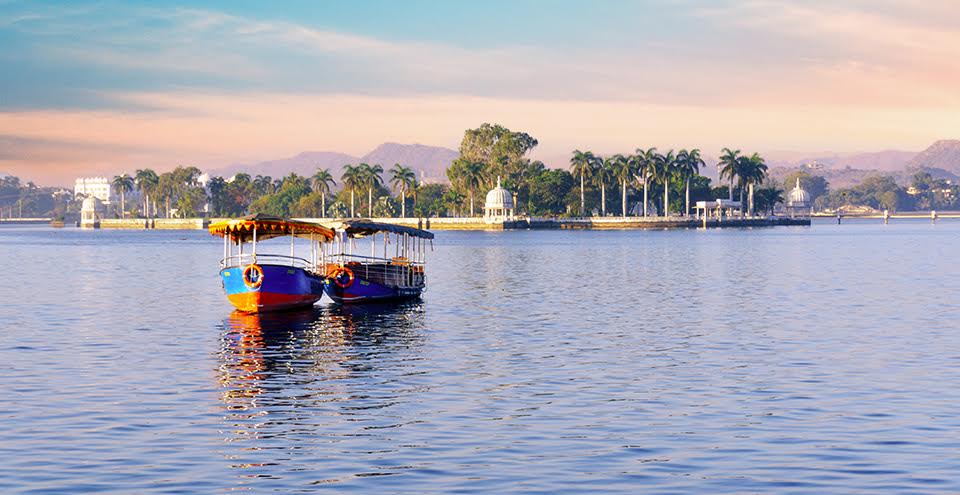
The city of Lakes, Udaipur is a lovely land around the azure water lakes, hemmed in by the lush hills of the Aravalis. A vision in white drenched in romance and beauty, Udaipur is a fascinating blend of sights, sounds and experiences - an inspiration for the imagination of the poets, painters and writers. Its kaleidoscope of fairy-tale palaces, lakes, temples, gardens an narrow lanes strewn with stalls, carry the flavor of heroic past, epitomizing velour and chivalry.
Explore the place
The City Maps
Trip Ideas
FEATURED ARTICLE
Government Museum
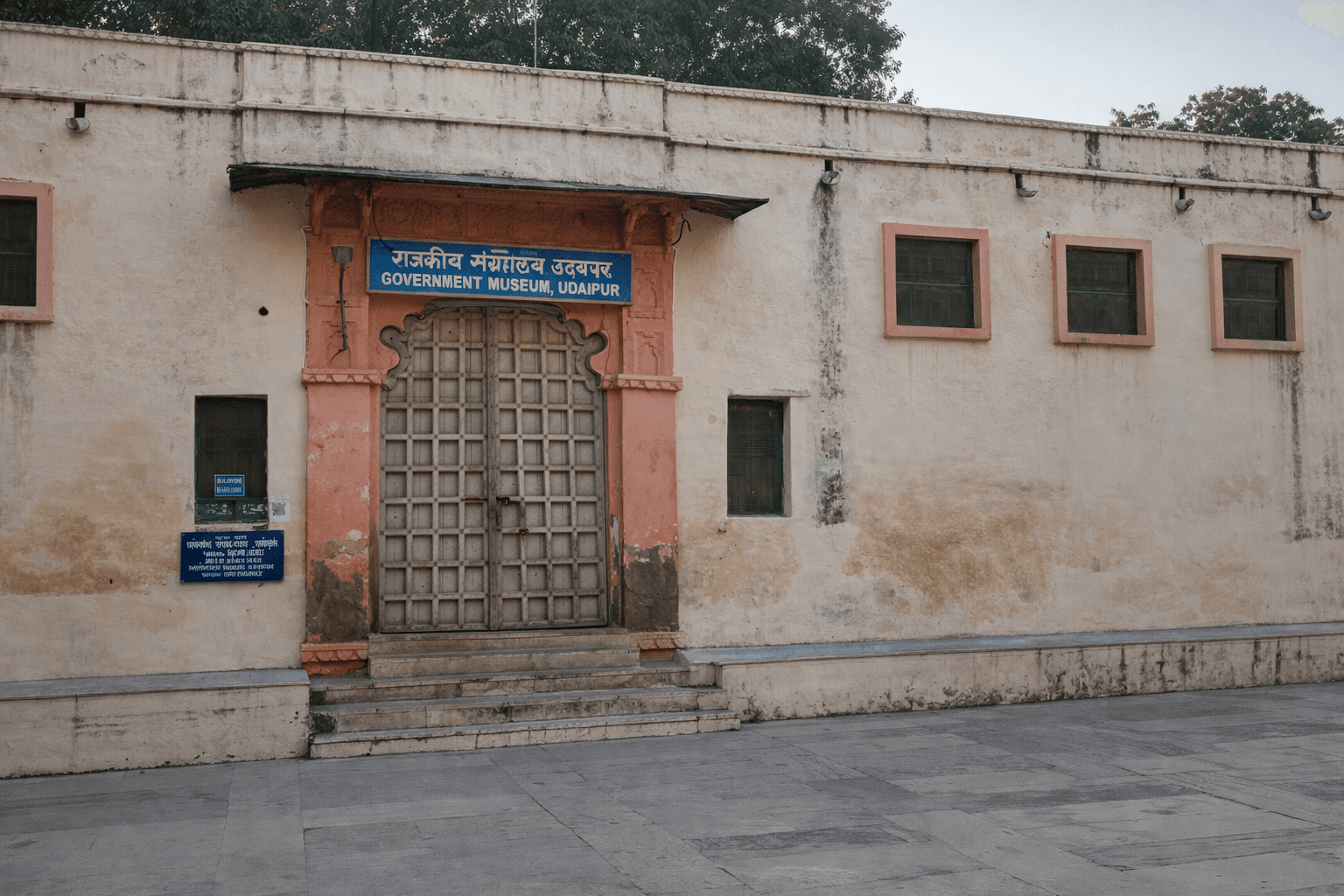
On the occasion of Queen Victoria’s Jubilee Celebration in 1887 A.D., Maharana Fateh Singh constructed the Victoria Hall Museum in the garden known as Sajjan Niwas. On November 1, 1890 A.D., Victoria Hall Museum opened for visitors in 1968 A.D. This museum was shifted from Sajjan Niwas Garden to City Palace Premises in Hisab Daftar, Karna Vilas Palace. At present, it’s known as the Govt. Museum Udaipur. penned for visitors in 1968 A.D. This museum was shifted from Sajjan Niwas Garden to City Palace Premises in Hisab Daftar, Karna Vilas Palace. At present, it’s known as the Govt. Museum Udaipur.
FEATURED ARTICLE
Government Museum Ahar
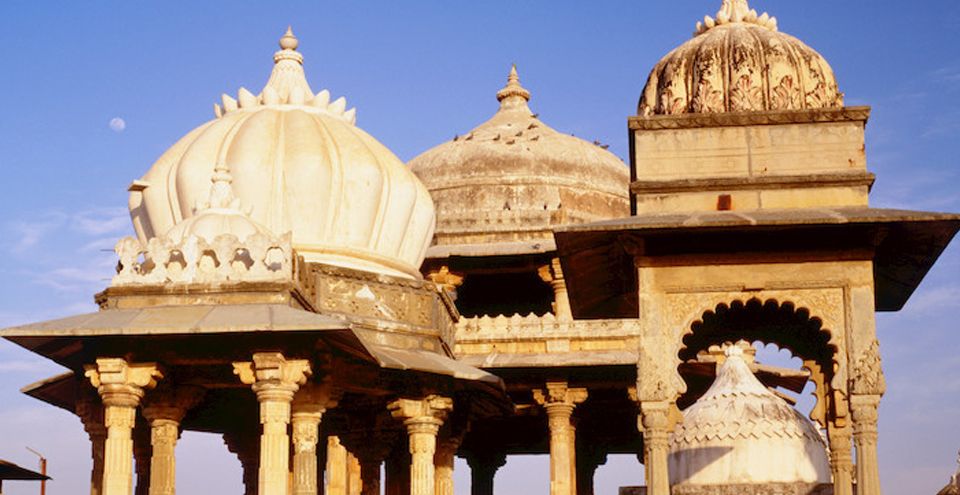
The Government Museum, Ahar, located about three kilometers from the Udaipur city railway station, is now an integral part of the city itself. This museum was established in 1960 by the Department of Archaeology and Museums, Government of Rajasthan, with the objective of preserving and displaying ancient antiquities excavated from the archaeological site of Dhoolkot, situated at Ahar. The glorious history of Ahar dates back approximately 4,000 years. The first excavation at Ahar was conducted in 1951–52 by the late Shri Akshay Kirti Vyas. Later, further excavations were carried out by the late Shri Ratna Chandra Agrawal during 1954–55 and 1955–56. Subsequently, in 1960–61, under the joint supervision of the Department of Archaeology and Deccan College, Pune, the cultural sequence of Ahar was explored. This excavation was led by the late Dr. H. D. Sankalia. For the first time, the distinctive black-and-red painted pottery found here was identified based on its unique design and craftsmanship, leading to the naming of this cultural tradition as the “Ahar Culture.” The creators of the Ahar Culture inhabited the region around the Aravalli hills between 5000 BCE and 1500 BCE. Over time, the museum has become enriched with a wide variety of antiquities. Artifacts excavated from the Dhoolkot mound include distinctive pottery types of the Ahar-Banas Culture, such as black-and-red ware, grey ware, and red-slipped ware. Among the terracotta artifacts are circular discs, toy bulls, beads, and various shaped tokens. Copper artifacts discovered include rings, bangles, axes, knives, and slag from copper smelting, shedding light on the metallurgical practices of the time. Other cultural materials consist of objects made from baked and unbaked clay, such as beads, bangle fragments, ear ornaments, animal and human figurines, clay seals, stone balls, toys, vessels, ritual pots, lamps, and wheels. Pottery fragments, maker’s marks, and tools made from carnelian and other semi-precious stones were also found. The diverse beads reflect the creative craftsmanship of the people of that era. Among the metal artifacts, items like bangles, knives, blades, coins, chisels, agricultural tools, nails, and rings have been found. Artifacts made from conch shells include bangle fragments, beads, cowries, ear pendants, and used conch shells. Bone artifacts include bone nails and other bone objects. Terracotta figurines were also discovered, likely used by the Chalcolithic (Copper-Stone Age) community for domestic and religious purposes. The museum also houses a collection of sculptures dating from the 7th–8th century CE to the 16th century CE, depicting Hindu and Jain deities from Ahar and southeastern Rajasthan. Some of these sculptures are remarkably beautiful. Additionally, miniature paintings from various regions are displayed, showcasing the artistic creativity of the people of that era. The museum also exhibits weapons and armaments obtained from the Government Museum, Udaipur, and the Government Museum, Chittorgarh.
FEATURED ARTICLE
Bird Park Gulab Bagh
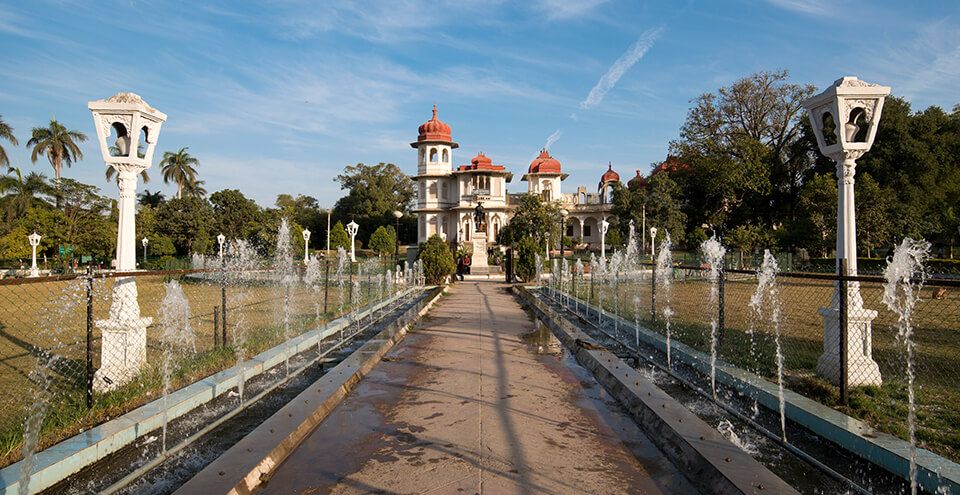
Gulab Bagh Zoo, Udaipur was established 144 years ago in the year 1878 during the regime of erstwhile ruler of Mewar - "Maharana Sajjan Singh ji". It is the sixth oldest zoo in India . The zoo premises, which is now demarcated with a chain link fence was an integral part of Sajjan Niwas Garden popularly known as "Gulab Bagh". During the reign of Maharanas, the zoo was managed by 'Shikarkhana' department of erstwhile Mewar state. Although after Independence, the management of the Gulab Bagh was taken over by the Garden Department and the Mini Zoo was managed by the Forest Department of Rajasthan.
FEATURED ARTICLE
Jaisamand Wildlife Sanctuary
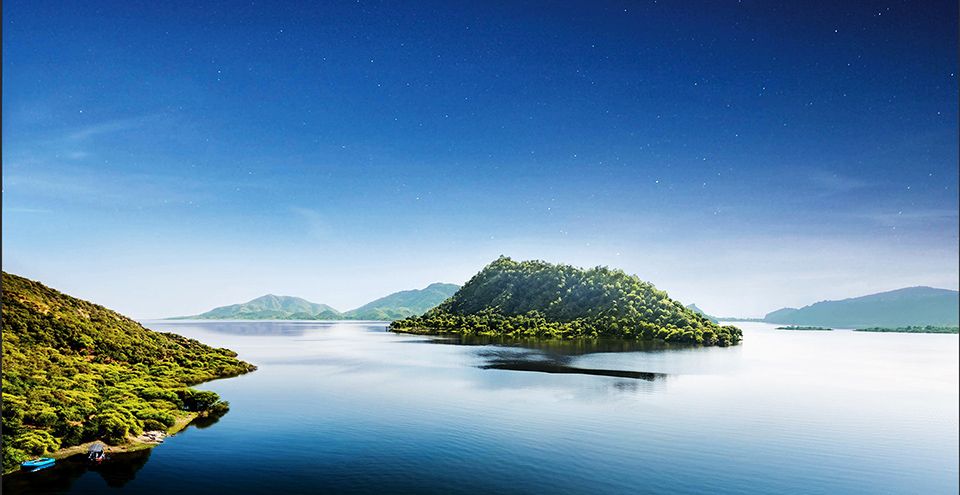
It is situated 50 km south of Udaipur amidst lush green valleys of the Aravallis, which is one of the oldest mountain ranges in the world. The world-famous Jaisamand Lake constitutes a feature near the sanctuary. A glimpse of the history of Mewar reveals that the forest included in the sanctuary used to be the "Shikargah" of the erstwhile Maharanas of Mewar. The terrain is hilly, criss-crossed by nullahs. The area of this sanctuary is a part of the catchment of Lake Jaisamand, which in turn acts as a lifeline for the city of Udaipur since it is the main source of drinking water for the inhabitants of the city, apart from its aesthetic beauty. This lake provides excellent scope for nature camping, tracking, bird watching, and water sports, apart from improving floral and faunal diversity. Being in close vicinity of Udaipur city, it acts as a centre for education for local children, youth and tourists on the one hand while on the other, it is a unique example of habitat revival and restoration of past floral and faunal glory. It is now the centre for breeding indigenous, rare, and endangered fauna of Aravallis, and it acts as a breeding and translocation centre for wild animals of this region.
FEATURED ARTICLE
Sajjangarh Wildlife Sanctuary
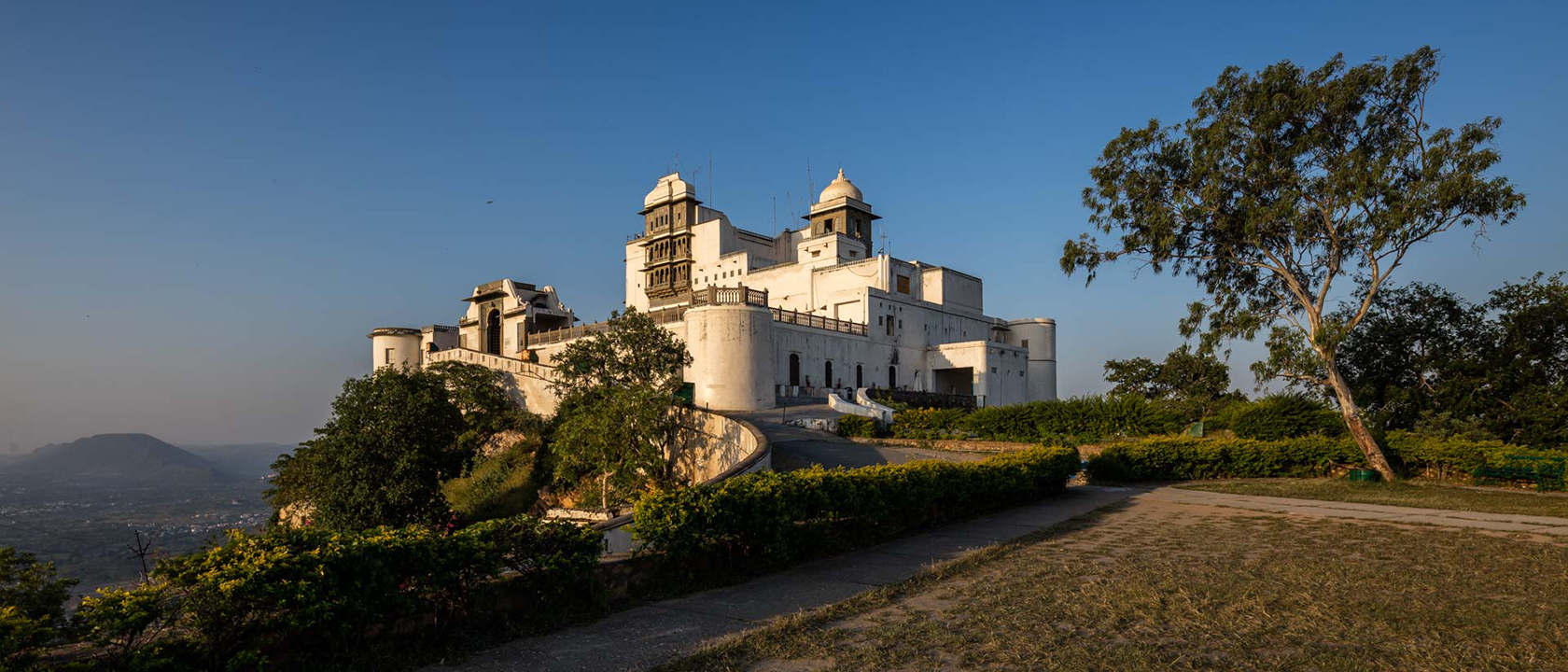
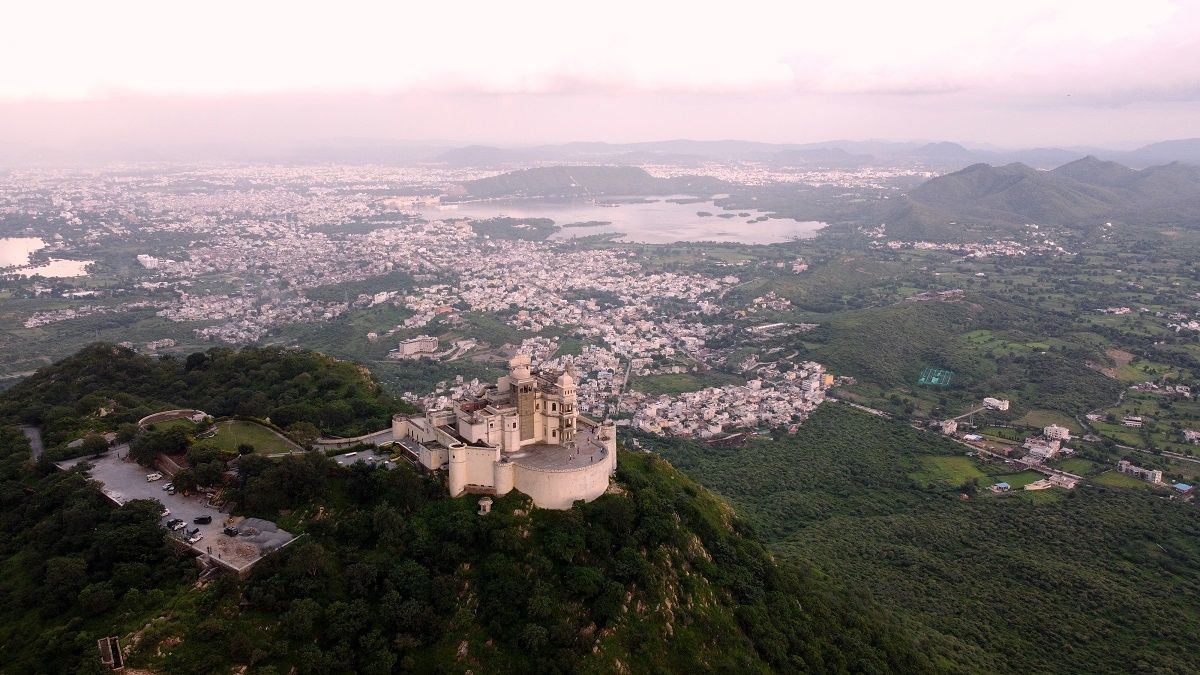
Sajjangarh Sanctuary is situated 5 km in the west of Udaipur City, which surrounds the Sajjangarh Palace overlooking The City. Sajjangarh Palace, also known as the "Monsoon Palace," was built by the erstwhile Maharanas of Mewar at the top of the Bansdara hill, 936 m above MSL. From the palace, one can have a magnificent view of the lakes of Udaipur and the Aravalli hill ranges. The view of sunrise and sunset attracts every visitor to the top of Bansdara Hill. The Bansdara hill, once covered with dense vegetation, was used as hunting grounds by the rulers of Mewar.
FEATURED ARTICLE
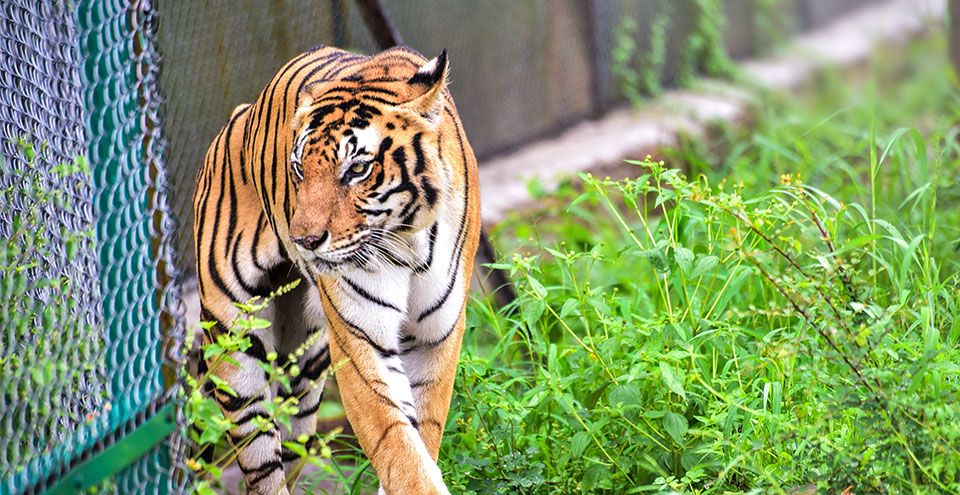
Sajjangarh Biological Park
Sajjangarh Biological Park is located nearby Sajjangarh Wildlife Sanctuary at outskirts of Lake City, Udaipur. It is only 6 k.m. away from Ralway Station and Central Bus Stand. The Total area of the Biological park is 36 ha. A central ring road runs within the Park and covers almost total area of the park. On the north western side of the park, there is a tar road which takes one tourist to a historical monument in Sajjangarh (Monsoon Palace).